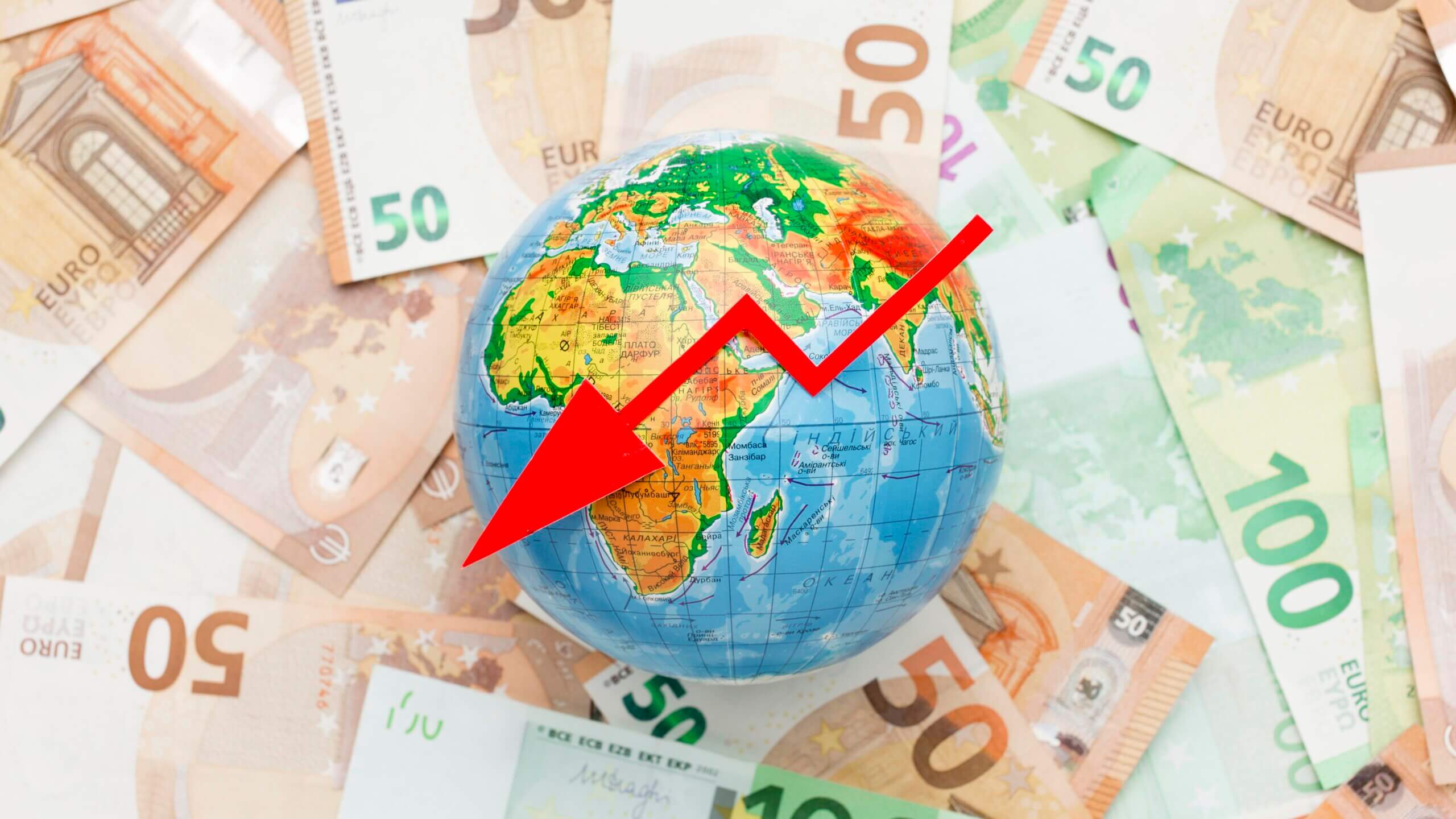
A Fragile Balance Between Risk and Resilience
The global economy in 2026 is no longer operating within the predictable cycles that once defined macroeconomic stability. Instead, it finds itself in a state of persistent tension caught between structural resilience and recurring shocks that threaten to disrupt equilibrium. What distinguishes the present moment is not merely the presence of risk, but the convergence of multiple forces that amplify one another. Geopolitical conflict, energy insecurity, inflationary resurgence, and monetary tightening are no longer isolated developments; they are interconnected dynamics shaping a new economic reality. This convergence has effectively transformed the economic landscape into a highly sensitive system, where disturbances in one region or sector can rapidly cascade across global markets, intensifying volatility and complicating recovery pathways.
Markets today are responding not just to economic indicators, but to a broader geopolitical narrative that influences supply chains, investor psychology, and policy decisions simultaneously. This shift marks a departure from the post-globalization era of relative predictability, where economic cycles could be managed primarily through fiscal and monetary tools. In contrast, the current environment is defined by external shocks that are often beyond the direct control of policymakers. These include geopolitical flashpoints, resource nationalism, and shifting trade alliances, all of which contribute to an increasingly fragmented global economy. As a result, traditional forecasting models are becoming less reliable, forcing institutions to incorporate geopolitical intelligence and scenario planning into their strategic frameworks.
Yet, within this complexity lies a paradox. While uncertainty is elevated, the global system has demonstrated remarkable resilience. Financial institutions are better capitalized than in previous decades, corporations have adapted to volatility through diversification and digital transformation, and policymakers have become more agile in responding to crises. This duality fragility coexisting with strength is what underpins the current narrative of cautious optimism. It reflects an economic system that, while vulnerable to shocks, has also evolved mechanisms to absorb and adapt to them. The resilience is not accidental; it is the result of years of regulatory reform, technological advancement, and strategic realignment across industries.
Energy Markets at the Epicenter of Global Anxiety
Energy markets have once again emerged as the central axis around which global economic uncertainty revolves. The renewed geopolitical tensions in the Middle East have underscored the strategic importance of energy supply routes, particularly those that serve as lifelines for the global economy. The Strait of Hormuz, for instance, remains one of the most critical chokepoints in the world, facilitating the movement of a substantial share of global oil exports. Any disruption real or perceived within this corridor has immediate and far-reaching consequences, not only for oil prices but also for global trade flows, insurance costs, and energy security strategies of importing nations.
The recent surge in oil prices, with Brent crude hovering near the $98 mark, reflects more than just supply-demand fundamentals. It encapsulates a geopolitical risk premium that markets are increasingly forced to price in. Traders and investors are factoring in the possibility of supply disruptions, even in the absence of concrete evidence, leading to heightened volatility. This behavior highlights the psychological dimension of modern markets, where expectations and sentiment can drive price movements as much as physical constraints. In such an environment, headlines, diplomatic statements, and military developments can trigger immediate market reactions, amplifying price swings and reinforcing uncertainty.
Moreover, the volatility in oil prices is not linear. It is characterized by sharp spikes followed by rapid corrections, often triggered by diplomatic developments or shifts in geopolitical rhetoric. Such fluctuations create an environment of uncertainty that complicates decision-making for businesses and governments alike. Energy-importing nations, particularly in Asia and Europe, face significant challenges in managing these fluctuations, as rising import bills can strain fiscal balances and exacerbate inflationary pressures. For corporations, especially those in manufacturing and logistics, unpredictable energy costs disrupt planning cycles, forcing them to adopt more flexible and often more expensive procurement strategies.
At the same time, the energy crisis has reignited discussions around diversification and sustainability. Governments are accelerating investments in renewable energy, alternative supply routes, and strategic reserves to reduce dependence on geopolitically sensitive regions. However, these transitions require time and substantial capital, meaning that in the short term, the global economy remains heavily exposed to traditional energy market dynamics. This transitional phase is particularly complex, as economies must balance immediate energy security needs with long-term sustainability goals, often navigating trade-offs between affordability, reliability, and environmental impact.
Inflation Reignited by Energy Shock
The resurgence of oil prices has triggered a ripple effect across the global economy, reigniting inflationary pressures that many had hoped were under control. Energy costs serve as a foundational input for nearly every sector, influencing transportation, manufacturing, agriculture, and even services. As fuel prices rise, businesses are faced with increased operational costs, which are often passed on to consumers in the form of higher prices. This cost transmission mechanism ensures that energy shocks quickly permeate the broader economy, affecting everything from food prices to housing costs.
This renewed inflationary wave is particularly challenging because it is driven by supply-side factors rather than demand. Unlike demand-driven inflation, which can be moderated through interest rate adjustments, supply-driven inflation is more resistant to traditional policy tools. Central banks may raise rates to curb spending, but such measures have limited impact on external factors like geopolitical disruptions or energy shortages. This creates a policy dilemma, where aggressive tightening could suppress economic activity without effectively addressing the root causes of inflation.
The consequences of this dynamic are already becoming visible. In several economies, input cost inflation has accelerated, with businesses reporting higher expenses for raw materials and logistics. These pressures are gradually filtering through to consumer prices, affecting household budgets and reducing purchasing power. For lower-income populations, the impact is especially pronounced, as a larger share of income is allocated to essential expenses such as food and energy. This not only exacerbates inequality but also has broader social and political implications, as governments face increased pressure to provide relief measures.
Furthermore, the persistence of inflation risks undermining confidence in monetary policy. After a period of relative success in bringing inflation under control, central banks now face the prospect of renewed price instability. This uncertainty complicates forward guidance and increases the likelihood of policy missteps, which could further destabilize markets. In such an environment, credibility becomes a critical asset for central banks, as maintaining trust is essential for anchoring inflation expectations.
Central Banks: Between Inflation Control and Growth Protection
Monetary authorities are navigating one of the most complex policy environments in recent history. The challenge lies in balancing two competing objectives: controlling inflation and supporting economic growth. Under normal circumstances, these goals can be aligned through calibrated policy adjustments. However, the current environment presents a scenario where addressing one objective may come at the expense of the other. This tension is particularly pronounced in economies where growth is already slowing, making aggressive tightening a potentially risky strategy.
The European Central Bank, for instance, is reassessing its policy trajectory in light of rising energy prices and inflation expectations. While the initial outlook for 2026 suggested a potential easing of monetary policy, recent developments have forced a reconsideration. The possibility of additional rate hikes has re-entered the conversation, signaling a shift toward a more cautious stance. This shift reflects a broader recognition that inflation risks remain elevated, even as growth prospects weaken.
This dilemma is not unique to Europe. Central banks across the globe are facing similar challenges, as they attempt to interpret conflicting signals from economic data. On one hand, inflation remains above target levels, necessitating vigilance. On the other hand, growth indicators are showing signs of weakness, raising concerns about a potential slowdown or even recession. Navigating this uncertainty requires a delicate balance, as premature tightening could stifle recovery, while delayed action could allow inflation to become entrenched.
The implications of these decisions extend beyond domestic economies. In an interconnected global financial system, monetary policy shifts in major economies can have ripple effects on capital flows, exchange rates, and emerging markets. Higher interest rates in advanced economies, for example, can attract capital away from developing nations, leading to currency depreciation and financial instability. This dynamic underscores the global nature of monetary policy, where decisions in one region can have far-reaching consequences.
This interconnectedness underscores the importance of coordination and communication among central banks. Clear and consistent messaging is essential to maintaining market confidence and preventing abrupt reactions. At the same time, policymakers must remain flexible, ready to adjust their strategies as new information emerges. This adaptability is crucial in a rapidly changing environment, where rigid policy frameworks may prove inadequate.
Market Volatility and Investor Sentiment
Financial markets have become increasingly sensitive to both economic data and geopolitical developments. The current environment is characterized by rapid shifts in sentiment, where optimism and pessimism can alternate within short timeframes. This volatility is evident across asset classes, including equities, bonds, and commodities. Such conditions require investors to adopt more dynamic strategies, balancing risk and return in an environment where traditional correlations may break down.
Equity markets have experienced fluctuations as investors reassess corporate earnings prospects in light of rising costs and slowing growth. While certain sectors, such as technology and energy, have shown resilience, others are facing headwinds due to increased uncertainty. The divergence in sector performance reflects the uneven impact of current conditions across the economy, highlighting the importance of sector-specific analysis in investment decision-making.
Bond markets, meanwhile, are grappling with changing expectations around interest rates and inflation. Yields have risen as investors anticipate tighter monetary policy, leading to declines in bond prices. This dynamic has implications for borrowing costs, affecting everything from government financing to corporate investment decisions. Higher yields can also influence asset allocation, as investors reassess the relative attractiveness of fixed-income securities compared to equities.
Amid this volatility, gold has reasserted its role as a safe-haven asset. The increase in gold prices reflects a broader shift toward defensive positioning, as investors seek to protect their portfolios from potential downturns. This trend highlights the enduring importance of traditional assets in times of uncertainty, even as new investment opportunities emerge in areas such as technology and digital finance.
Investor sentiment, however, is not uniformly negative. There remains a degree of optimism rooted in the belief that the global economy can adapt to current challenges. Strong corporate balance sheets, ongoing technological innovation, and policy support are seen as factors that could mitigate the impact of external shocks. This cautious optimism is reflected in the willingness of investors to remain engaged in markets, even as they adopt more defensive strategies.
The Growth Slowdown Narrative
While financial markets provide a real-time reflection of sentiment, underlying economic indicators offer a more nuanced view of the global outlook. Recent data suggests that growth is slowing across several major economies, though not collapsing. This distinction is important, as it indicates a moderation rather than a crisis. The slowdown reflects a combination of factors, including higher energy costs, tighter financial conditions, and lingering supply chain disruptions.
Business activity has softened, particularly in sectors that are sensitive to energy costs and consumer demand. Manufacturing output has been affected by higher input prices and supply chain disruptions, while the services sector is experiencing a gradual deceleration. Employment trends, although still relatively stable, are beginning to show signs of strain in certain regions. These developments suggest that the global economy is entering a phase of slower, more uneven growth.
Europe and the United Kingdom are particularly vulnerable due to their reliance on imported energy and exposure to global trade dynamics. The combination of high energy costs and tightening financial conditions increases the risk of recession in these economies. Emerging markets, meanwhile, face their own set of challenges, including currency volatility and rising debt burdens. These pressures highlight the uneven distribution of economic risk across regions.
Despite these headwinds, the global economy is not in a state of contraction. Growth continues, albeit at a slower pace, supported by resilient consumption and investment in key sectors. This nuanced picture reinforces the theme of cautious optimism, where challenges coexist with opportunities. It also underscores the importance of targeted policy interventions to support vulnerable sectors and regions.
Cautious Optimism: Why Collapse Is Not Inevitable
Amid the prevailing uncertainty, it is important to recognize the structural strengths that underpin the global economy. These strengths provide a foundation for resilience and offer reasons to believe that a severe downturn can be avoided. They reflect the cumulative impact of years of economic reform, technological progress, and institutional development.
Labor markets in many advanced economies remain robust, supporting consumer spending and economic activity. While wage growth has moderated in some regions, employment levels continue to provide a buffer against shocks. This stability is crucial, as consumption accounts for a significant portion of economic output. Strong labor markets also contribute to social stability, reducing the risk of economic disruptions translating into broader societal challenges.
Technological advancement, particularly in areas such as artificial intelligence and automation, is driving productivity gains and creating new opportunities for growth. These innovations are enabling businesses to operate more efficiently, offsetting some of the cost pressures associated with rising energy prices. They are also reshaping industries, creating new business models and revenue streams that contribute to economic resilience.
Policy adaptability has also improved, with governments and central banks demonstrating a willingness to act decisively in response to emerging challenges. The lessons learned from previous crises have enhanced the ability of institutions to manage uncertainty and maintain stability. This proactive approach is a key factor in preventing localized shocks from escalating into systemic crises.
Efforts to diversify energy sources and reduce dependence on specific regions are gradually reshaping the global energy landscape. While these changes will take time to fully materialize, they represent a strategic shift toward greater resilience. Investments in renewable energy, infrastructure, and technology are laying the groundwork for a more sustainable and secure energy future.
Finally, diplomatic engagement offers the potential for de-escalation in geopolitical tensions. Even incremental progress can have a significant impact on market sentiment, highlighting the importance of political developments in shaping economic outcomes. The interplay between diplomacy and economics is becoming increasingly evident, reinforcing the need for coordinated global action.
A World in Transition
The global economy in 2026 is defined by transition rather than turmoil. It is navigating a complex landscape where traditional assumptions are being challenged and new dynamics are emerging. Uncertainty is likely to remain a defining feature in the near term, but it does not preclude the possibility of stability and growth. Instead, it requires a more nuanced and adaptive approach to economic management.
What distinguishes this period is the ability of the global system to adapt. Businesses are rethinking strategies, investors are recalibrating portfolios, and policymakers are refining their approaches. This adaptability is a source of strength, enabling the economy to withstand shocks and evolve in response to changing conditions. It reflects a shift toward a more resilient and flexible economic model.
The path forward will depend on a range of factors, including the trajectory of geopolitical tensions, the effectiveness of monetary policy, and the pace of technological innovation. While risks remain, so too do opportunities. The interplay between these factors will shape the future of the global economy, determining whether it moves toward stability or further volatility.
For now, the global economy stands at a crossroads resilient yet tested, uncertain yet hopeful. It is this balance that defines the current moment, shaping a narrative of cautious optimism in an increasingly complex world.
Related Articles: https://ciovisionaries.com/category/economic-news/
Related Blogs: https://ciovisionaries.com/category/business/