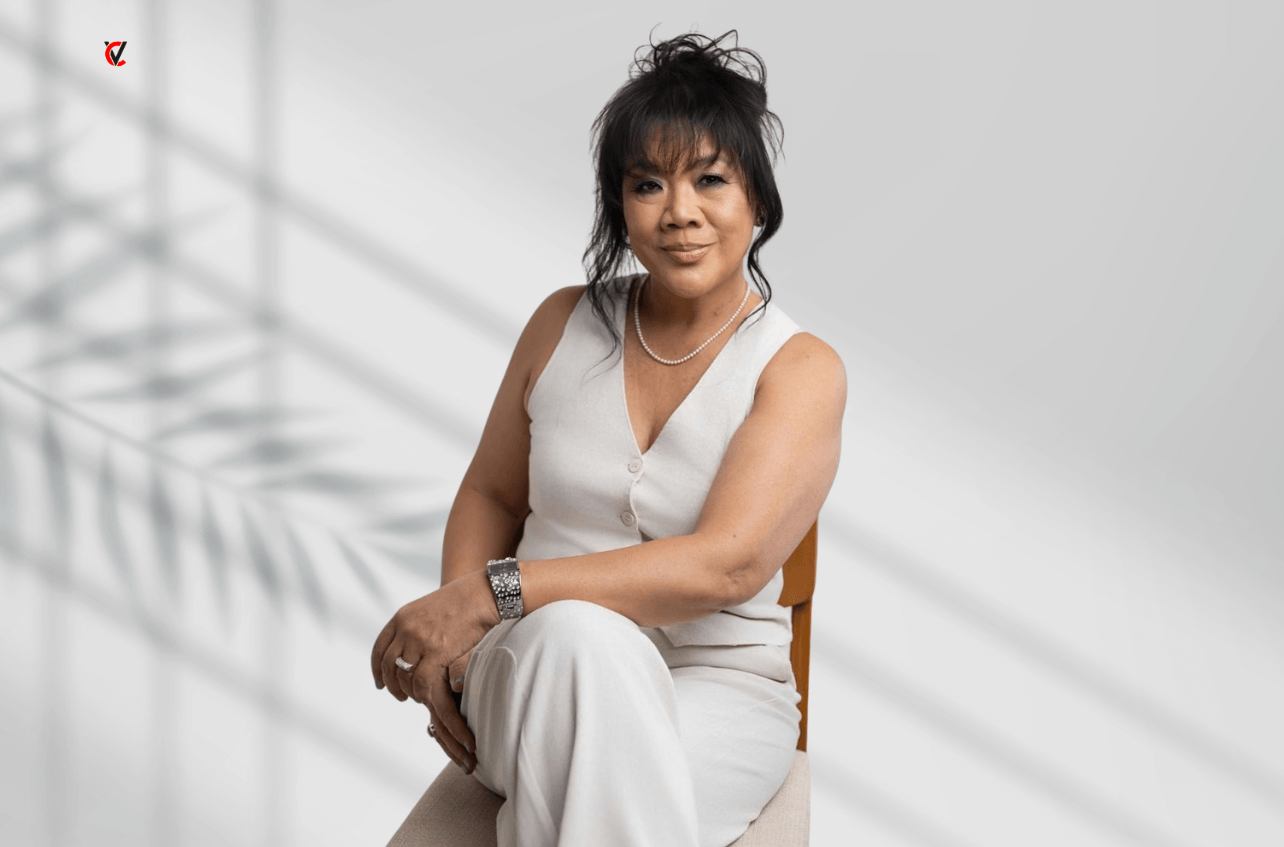
As healthcare systems across the world struggle with the rising prevalence of chronic disease, treatment resistance, and growing patient dissatisfaction, the need for a more comprehensive medical perspective has become increasingly evident. Among the leaders challenging conventional healthcare paradigms is Huang Wei Ling, MD, an integrative medicine physician whose work bridges Western clinical science with the principles of Traditional Chinese Medicine. Dr. Huang approach redefines how disease is understood, shifting the focus from symptom control to the deeper energetic imbalances that precede illness.
Recognized as one of The 10 Most Transformative Healthcare Leaders in 2026, her influence spans clinical practice, research, education, and global medical discourse. Through decades of hands-on patient care, international conference presentations, and the development of innovative therapeutic models, she has consistently advocated for a healthcare system that treats the human being as an interconnected whole rather than a collection of isolated symptoms.
Building a Foundation in Western Medicine
Her professional journey began within the rigor of Western medicine. Early in her career, she worked as a hospital physician, gaining firsthand experience in acute care while navigating the demands of institutional healthcare. Her commitment to scientific inquiry led to recognition for outstanding research in antimicrobial control at Santa Casa de Franca Hospital, an achievement that highlighted her analytical precision and clinical dedication.
Despite this success, she noticed inconsistencies that conventional medicine could not adequately explain. Some patients failed to recover even when treatments followed established protocols. These recurring observations prompted deeper reflection and a growing awareness that symptom-based interventions alone were not addressing the true origins of disease.
Expanding Perspective Through Traditional Chinese Medicine
A decisive shift occurred when she began studying Traditional Chinese Medicine in the late 1990s. This exploration introduced a radically different way of understanding health and illness. Rather than focusing solely on anatomical structures or laboratory findings, Traditional Chinese Medicine emphasized balance, energy flow, and the dynamic relationships between organs.
Through this lens, disease was no longer viewed as an isolated malfunction but as the final stage of long-standing internal imbalance. Dr. Huang discovered that many conditions treated in Western medicine only after years of progression could have been identified and corrected much earlier by observing energetic changes. This realization reshaped her medical philosophy and became a defining element of her work.
Infectious Disease as a Catalyst for Change
Her background in infectious diseases further reinforced the limitations of conventional treatment models. While the specialty allowed for a broader view of the body, she observed that an increasing number of patients were not responding to antibiotics as expected. Even when medications were prescribed correctly, outcomes varied significantly.
By integrating Traditional Chinese Medicine into her clinical reasoning, Dr. Huang was able to identify why certain individuals did not improve. Over time, she developed methods to treat infections without antibiotics, instead restoring internal balance using highly diluted medications and energy-focused therapies.
More importantly, her clinical observations revealed a unifying pattern. Many chronic illnesses, regardless of diagnosis, shared the same underlying energetic deficiencies. By correcting these imbalances, it became possible to improve multiple conditions simultaneously, even when symptoms had not yet fully manifested. These findings were presented at an Acupuncture Research Conference at Harvard Medical School in 2015, marking a significant milestone in her international recognition.
Addressing the Root of Disease
To explain her approach, she often refers to the metaphor of a tree. In modern Western medicine, treatment is directed at the leaves, the visible symptoms. In Traditional Chinese Medicine, the focus is on the roots, where disease truly originates.
According to this understanding, illness develops over years of energetic disruption influenced by emotional stress, dietary habits, environmental exposure, and external pathogenic factors such as Heat, Wind, Cold, Dryness, and Humidity. Treating only the visible symptoms allows the root imbalance to persist, often leading to recurrence or progression.
Dr. Huang also emphasizes the unintended consequences of aggressive pharmacological interventions. Drawing on the Arndt Schulz Law, she explains how excessive medication can suppress biological function rather than restore balance. In today’s technologically driven society, this dynamic has contributed significantly to the rise of chronic and degenerative disease.
The Wu Wei Protocol and a New Therapeutic Framework
Seeking a more structured and practical way to treat root causes, Dr. Huang developed the Constitutional Homeopathy of the Five Elements Based on Traditional Chinese Medicine. This theory integrates classical homeopathy with Traditional Chinese Medicine, shifting the focus from symptom matching to energy restoration in the five vital organs: Liver, Heart, Spleen, Lungs, and Kidneys.
This framework evolved into what is now known as the Wu Wei Protocol. By using five carefully selected homeopathic medicines, the protocol replenishes organ energy rather than targeting individual symptoms. The result is a simplified yet powerful approach capable of addressing a wide range of conditions through a single, coherent system.
Identifying a Global Immunity Challenge
One of her most significant contributions is the identification of a widespread decline in internal energy that she describes as a New Global Immunodeficiency. Beginning around 2014, she observed a sudden and consistent reduction in energy levels across patients of different ages and backgrounds.
These findings were not limited to her practice in Brazil. During international conferences, Dr. Huang assessed energy levels among physicians and healthcare professionals from various countries and noted the same pattern. According to Traditional Chinese Medicine, immunity depends on the energy produced by the body’s core organs. When this energy is depleted, the vulnerability to disease increases dramatically.
She links this decline to modern lifestyle factors, including chronic stress, poor nutrition, and prolonged exposure to electromagnetic radiation mainly after implementation of 5G in 2013. The concern, she notes, is that most physicians are not trained to recognize or treat disease at the energetic level, leaving a critical aspect of patient care unaddressed.
Integrative Care for the Modern Patient
A In her clinical practice, acupuncture, homeopathy, and Chinese dietary therapy function as complementary pillars of treatment. Dr. Huang has observed that many conventional medications, once effective, now exacerbate energetic deficiencies, increasing the risk of complications such as thrombosis, myocardial infarction, and cancer progression.
By contrast, therapies aimed at restoring energy support the body’s natural healing mechanisms and reduce long-term risk. This perspective also offers insight into treatment failures observed during recent global health crises, where weakened patients were unable tolerate aggressive pharmaceutical interventions.
Bridging Modern Science and Traditional Wisdom
In Brazil, both acupuncture and homeopathy are recognized medical specialties, allowing Dr. Huang to integrate these modalities within a scientifically grounded clinical framework. She maintains that modern science and traditional medicine are complementary, not contradictory.
Frequently quoting Hippocrates, she emphasizes that understanding the patient is more important than labeling the disease. Her work seeks to expand medical thinking rather than replace it, encouraging practitioners to incorporate time-tested knowledge alongside contemporary clinical methods.
Shaping the Future of Global Healthcare
Looking toward 2026 and beyond, her envisions integrative medicine playing a central role in the evolution of global healthcare. From preventive strategies to hospital treatment protocols, energy-based understanding has the potential to influence medical education, pharmaceutical development, and patient outcomes.
To support this shift, she is leading the Wu Wei Medical Training Program, designed to educate physicians worldwide on treating disease at its root rather than focusing solely on symptoms. The initiative reflects Dr. Huang broader mission of equipping healthcare professionals to meet the needs of the modern human condition.
A Transformative Vision
Being recognized as a transformative healthcare leader carries deep meaning for her. Born in Taiwan and educated in the West, Dr. Huang life reflects the convergence of Eastern and Western medical traditions. This unique background has enabled her to question entrenched systems and propose a more inclusive vision for healthcare.
At its core, her work is guided by a belief that restoring balance, understanding energy, and treating the whole person are essential to the future of medicine. As healthcare systems worldwide seek sustainable and effective solutions, she continues to stand as a catalyst for meaningful and lasting change.
Related Blogs : Articles/Press Release : Shaping the Future of Business and Technology