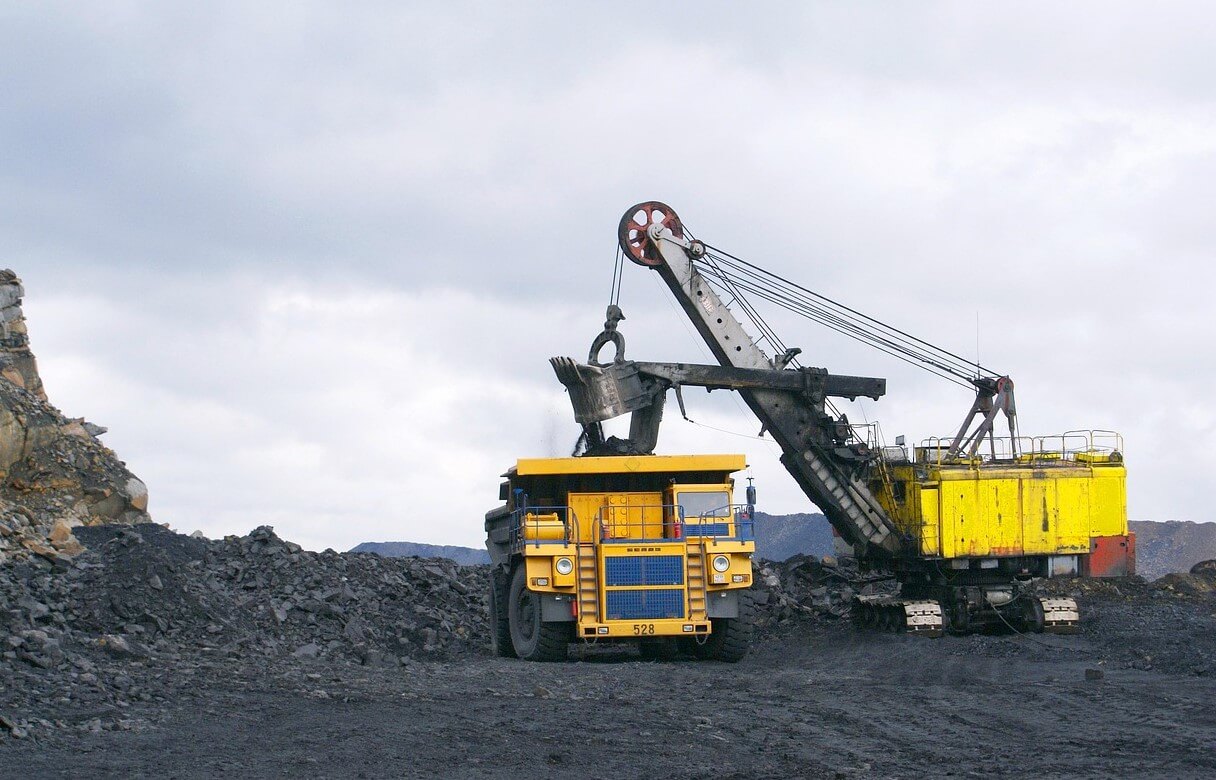
The global thermal coal sector is at a pivotal juncture, defined by two contrasting realities. On one side, the “Big Three” China, India, and Indonesia are investing heavily in domestic production to meet soaring energy demand, secure industrial growth, and ensure energy independence. On the other, the international seaborne coal market is showing signs of weakening, with traditional exporters outside these dominant players facing declining orders, intensifying competition, and volatile prices.
This divergence extends beyond market dynamics. It reflects geopolitical priorities, industrial strategies, and energy policy decisions. Coal remains a paradox: indispensable for powering Asia’s industrial engines while increasingly marginalized in global trade and under pressure from climate policies. As countries accelerate renewable adoption and explore cleaner energy alternatives, the industry faces a complex balancing act between economic growth, energy security, and sustainability.
Domestic Expansion in the Big Three
Coal’s resilience in Asia is most evident in the production strategies of China, India, and Indonesia. China continues to anchor the global coal market. Despite massive investments in renewables and nuclear energy, coal remains central to the country’s electricity grid. Rising industrial activity, data center operations, and urbanization fuel electricity demand, making energy security a top priority. Output surpassed four billion tons in 2024, with state policies ensuring that coal production remains stable, even amid regulatory crackdowns or temporary mine closures. China’s domestic production strategy reduces dependence on imports and provides a buffer against global market volatility.
India mirrors China’s focus on domestic supply. The country crossed the one-billion-ton production mark in 2024, symbolizing energy independence and reduced reliance on seaborne coal. Under the “Aatmanirbhar Bharat” (self-reliant India) policy, both state-run Coal India and private miners aim to reach 1.4 billion tons by the late 2020s. Rapid urbanization, industrialization, and rural electrification mean that coal continues to form the backbone of India’s power grid, even as renewable energy contributes increasingly to the overall mix.
Indonesia, historically the world’s largest exporter, is recalibrating priorities. Domestic industries from steel and cement to power generation are claiming a greater share of production. Rising internal demand means Jakarta must balance export commitments with national energy needs. This strategy underscores Indonesia’s growing confidence as both a global supplier and a domestic energy powerhouse, signaling a shift from export-centric operations to domestic market prioritization. Collectively, these three countries illustrate a clear trend: domestic production has become the preferred insurance against volatile global markets, safeguarding energy security amid rising demand and geopolitical uncertainty.
Weakening Seaborne Trade
As Asia’s major producers focus inward, the seaborne coal market is losing momentum. Exporters such as Australia and South Africa, once dominant in Asian markets, are seeing shrinking orders as buyers increasingly turn to cheaper, higher-quality, or domestically produced coal. Russia, redirecting exports toward Asia after Western sanctions, has gained some traction but remains limited by logistical bottlenecks and price competition.
Global seaborne coal trade measured in tonnage appears to have peaked. Analysts project stagnation and eventual decline beyond 2026 as renewable energy adoption accelerates and stricter climate policies curb coal imports. Traditional importers, including Japan, South Korea, and parts of Southeast Asia, are actively diversifying energy sources away from coal. Liquefied natural gas (LNG), solar, and offshore wind are becoming increasingly cost-competitive, further eroding coal’s appeal.
This weakening market serves as a wake-up call for exporters. Those heavily dependent on seaborne trade face narrowing margins, price volatility, and rising competition, which underscores the need for strategic adaptation.
Diverging Import Trends: China vs. India
China and India, despite being the two largest consumers, are adopting contrasting import strategies. China has increased seaborne coal imports intermittently to stabilize supply chains, especially during domestic mine inspections or temporary production cuts. Seasonal peaks such as heatwaves in summer or high winter electricity demand also drive import surges. China’s diversified sourcing from Indonesia, Russia, and Australia ensures flexibility and reduces the risk of disruptions, reflecting a cautious but pragmatic approach to coal imports.
India, in contrast, is actively retreating from the seaborne market. With domestic output rising and renewable energy contributing more to the grid, imports are steadily declining. This strategy is aimed at conserving foreign exchange reserves, strengthening local industries, and achieving long-term energy independence.
The divergent approaches send mixed signals to global exporters: short-term opportunities exist in China, but India’s retreat indicates a shrinking long-term role for seaborne coal in Asia’s second-largest economy.
Price Movements and Market Pressures
Coal prices are increasingly reflecting the structural divergence in the market. High-calorific coal retains relatively stable pricing, as its energy efficiency per ton remains attractive to cost-conscious buyers. However, low-calorific coal historically a staple of Asian imports is facing oversupply and declining demand, with prices falling to multi-year lows. Indonesian grades, once dominant, are now under pressure from both competition and reduced demand in key markets.
At the same time, shipping costs are rising. Bulk carriers and Very Large Crude Carriers (VLCCs) face higher demand for longer routes and a shortage of available vessels. These costs reduce profit margins, squeezing exporters who are already challenged by low coal prices. For traders and coal companies, the takeaway is clear: only high-quality, efficiently delivered coal will remain competitive in the evolving market.
Medium-Term Outlook
The medium-term outlook underscores the contrast between domestic strength and global weakness. The International Energy Agency (IEA) projects that China, India, and Indonesia will continue to rely heavily on coal well into the 2030s. Industrial demand, grid reliability, and political imperatives ensure that coal will remain a core component of energy strategies, despite accelerated renewable transitions.
Seaborne trade, however, faces a long-term decline. Markets like Japan and South Korea are phasing out coal in favor of LNG and renewable sources, while European demand has already collapsed. For exporters dependent on overseas shipments, the next five years are likely to represent a structural contraction, not just a cyclical dip. Coal is increasingly becoming localized within Asia, reducing the global influence of traditional exporters.
Strategic Implications
The divergence in coal markets carries profound implications for all stakeholders. Exporters such as Australia and South Africa must adapt whether through upgrading coal quality, investing in carbon capture technologies, or diversifying into renewable energy and minerals.
Importers benefit from oversupply in the short term but must prepare for potential supply shocks if geopolitical tensions or disruptions in Indonesia or Russia occur.
Governments face the challenge of balancing coal-based energy stability with climate commitments. For countries reliant on coal exports, short-term revenue gains must be weighed against the longer-term need for sustainability and energy transition strategies. Energy companies are also at a critical crossroads. Sticking solely to coal risks future irrelevance, whereas early diversification into cleaner energy sectors offers strategic advantages as the global transition accelerates.
The thermal coal industry is no longer moving in a unified direction. China, India, and Indonesia are securing their energy futures through domestic production, while the global seaborne market is weakening, leaving traditional exporters to grapple with declining demand and narrowing margins.
This divergence represents a historic shift in energy trade dynamics. Coal remains vital domestically in Asia, yet its role as a globally traded commodity is shrinking. Exporters that fail to innovate, diversify, and invest in new energy solutions risk being left behind in an industry transforming faster than ever before.
Related Blogs: https://ciovisionaries.com/articles-press-release/