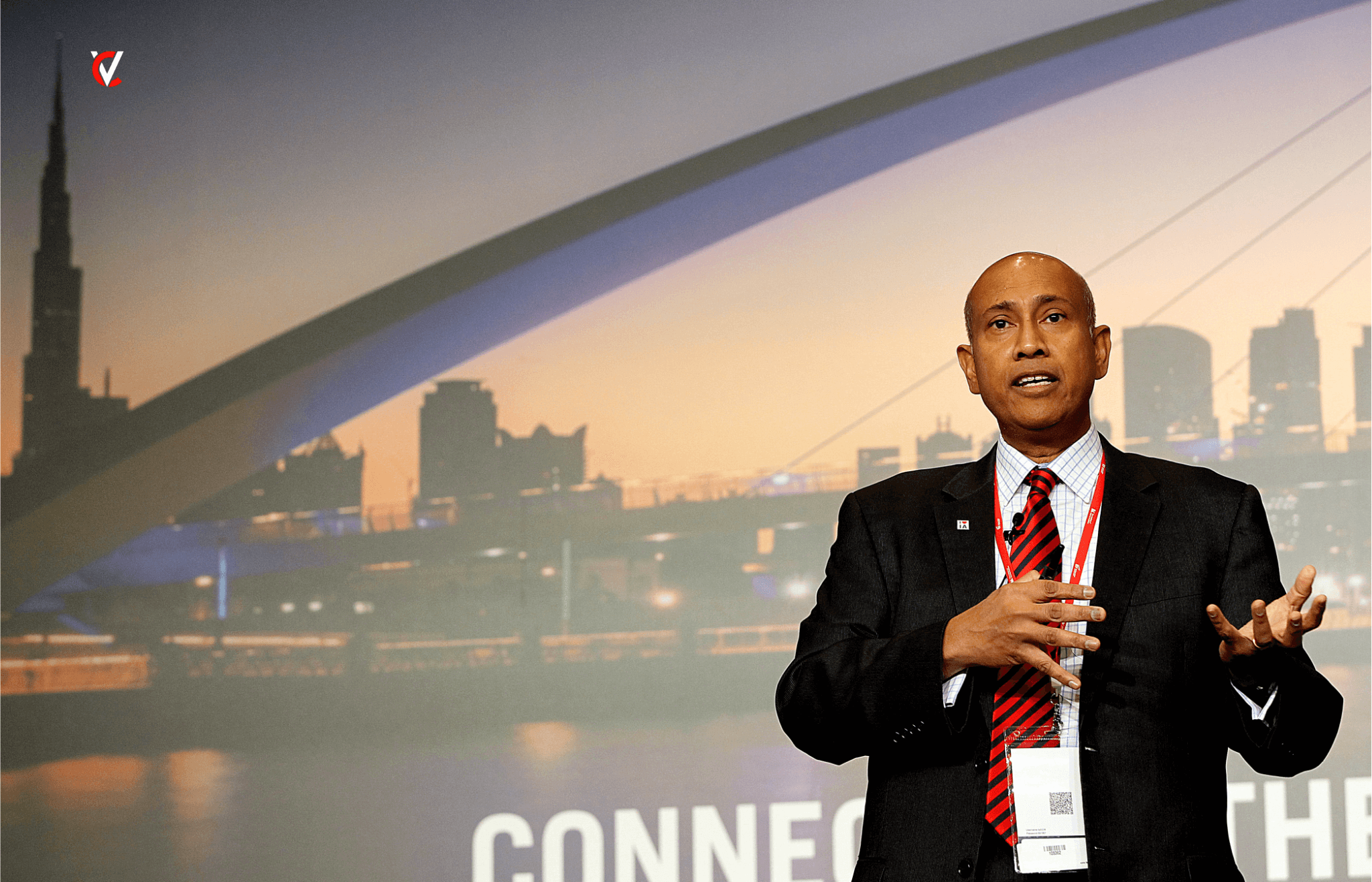
In today’s business environment, risk is no longer a background function managed quietly behind the scenes. It now sits at the centre of strategy, trust, and long-term value creation. Organisations that succeed are not those that attempt to eliminate uncertainty, but those that understand it, govern it effectively, and make confident decisions in its presence. This evolution has elevated risk and audit leaders into some of the most influential voices in the modern boardroom.
Among the leaders redefining this space is Shagen Ganason, Group Head of Internal Audit at Liva Group. With a career shaped by global exposure, cultural intelligence, and a forward-looking mindset, he represents a new generation of risk leaders who combine technical rigour with sound judgement. His work demonstrates how modern assurance strengthens governance, enables growth, and builds organisational confidence in an increasingly complex world.
Anchored in a Regional Insurance Leader
Shagen’s leadership journey is closely connected to the scale and ambition of Liva Group, one of the GCC’s leading insurance providers. Operating across Oman, the UAE, Saudi Arabia, Kuwait, and Bahrain, Liva serves nearly two million customers through a diversified portfolio spanning health and life insurance, personal lines, and sophisticated commercial risk solutions.
With more than 1,200 professionals across the region, Liva has built its reputation on customer-centric innovation supported by strong governance and disciplined risk management. A major milestone in the Group’s growth was surpassing USD 1 billion in gross written premium, reflecting both strategic execution and sustained market trust.
As Group Head of Internal Audit, Shagen plays a pivotal role in supporting this momentum. He leads the Group’s audit and risk assurance framework across all operating markets, strengthening internal controls, ensuring regulatory compliance, and enhancing operational resilience. His work enables the executive leadership team and Board to make informed, confident decisions in a highly regulated and rapidly evolving industry. Beyond assurance, he partners closely with senior leaders to ensure risk management evolves alongside digital transformation and regional expansion.
An Accidental Start That Became a Deliberate Calling
Shagen’s entry into internal audit was not the result of a carefully planned career path. He entered the profession almost by chance, without a clear understanding of what internal audit truly involved. What drew him in was curiosity. He was deeply interested in how organisations function, how decisions are made, and where failures quietly emerge beneath the surface.
Internal audit offered him a front-row view into these dynamics. It allowed him to solve problems, ask difficult questions, and observe leadership behaviour across diverse environments. Over time, what began as an unexpected role evolved into a purposeful career. He came to recognise that internal audit, when executed effectively, plays a vital role in strengthening governance, guiding leaders through uncertainty, and improving decision-making across the organisation. That sense of purpose continues to motivate his work today.
A Leadership Style Shaped Across Continents
Having lived and worked across seven countries in Asia, the Pacific, and the Middle East, Shagen’s leadership approach has been shaped by a wide range of cultural and organisational contexts. Each geography brought its own expectations, communication styles, and leadership norms. These experiences reinforced a critical lesson: leadership cannot be transferred wholesale from one environment to another.
Effective leadership requires listening first, understanding cultural nuances, and adapting without compromising core values. He learned to challenge his own assumptions, lead with intention, and bring people together across differences. This exposure strengthened his belief that cultural intelligence is not optional for modern leaders. It is essential.
Transforming Audit Into a Strategic Partner
One of the most significant transformations Shagen has led was shifting an audit function from a traditional, compliance-driven model into a modern, risk-focused strategic partner. When he joined Liva Group, the audit function was technically strong but fragmented. Teams were deeply immersed in detail, while data and insights were underutilised. Reports highlighted control gaps but often failed to explain their broader business impact.
Under his leadership, the function was redefined. The focus moved from identifying what went wrong to explaining why it mattered. Methodologies were redesigned, analytics capabilities were strengthened, and communication skills were elevated across the team. Storytelling became a central element of audit reporting, enabling complex findings to be translated into clear, actionable insights.
Equally important was the cultural shift. Internal audit moved away from being perceived as a fault-finding function and toward being recognised as a trusted advisor. The function became a partner that supports better decision-making and organisational resilience. Trust, clarity, and shared purpose were central to making this transformation successful.
Bringing Insight and Balance to the Boardroom
Reporting directly to Boards requires a careful balance between independence, transparency, and strategic insight. Shagen approaches this responsibility with discipline and focus. His Board interactions are built on precision, prioritisation, and perspective.
Accuracy ensures credibility. Prioritisation keeps discussions centred on risks that influence strategy, resilience, and risk appetite. Perspective helps Boards understand implications rather than activities. His advisory role offers insight without stepping into management responsibilities. This clarity of role has earned trust and enabled more meaningful, forward-looking Board dialogue.
Elevating Audit Through Technology and Analytics
As a technology-enabled audit leader, Shagen views automation and analytics as tools that elevate the profession rather than replace it. Traditional audits explain what has already happened. Advanced analytics allow organisations to analyse entire data populations, detect anomalies early, and focus on the risks that truly matter.
Automation frees auditors from repetitive tasks, enabling deeper analysis of behaviour, trends, and root causes. Data visualisation and dashboards also enhance communication with stakeholders, making complex risks easier to understand. For Shagen, technology is a powerful enabler, but human judgement, curiosity, and ethical reasoning remain the profession’s true differentiators.
Data-Driven Risk Visibility in Practice
A clear example of this approach emerged during Liva’s 2026 audit planning cycle. Instead of beginning with a standard audit universe, Shagen and his team started with the enterprise risk register and the Group’s strategic objectives. Analytics were applied across underwriting, claims, complaints, operational resilience, and financial performance.
This evidence-based approach revealed patterns that cut across entities and highlighted risks with strategic implications, particularly in areas such as digital transformation and regulatory compliance. Stakeholder engagement increased significantly because the rationale behind audit priorities was clear. The audit plan evolved into a strategic roadmap grounded in data rather than legacy assumptions.
Navigating an Interconnected Risk Landscape
Looking ahead, He sees organisations facing a risk environment that is increasingly interconnected and unpredictable. Rapid adoption of artificial intelligence without appropriate governance is creating new accountability and ethical challenges. Cybersecurity risks continue to intensify as organisations rely more heavily on digital ecosystems and third-party providers.
Regulatory expectations are rising across conduct, consumer protection, and prudential oversight. Operational complexity is growing as functions become distributed across internal teams, outsourced partners, and automated systems. Sustainability considerations are also moving from voluntary commitments to strategic and financial imperatives.
Alongside these trends is a human challenge. Many professionals fear that artificial intelligence will replace them. Shagen believes the reality is different. People will be replaced by those who understand how to use technology effectively. The future belongs to professionals who adapt, learn continuously, and combine technology with human insight.
Building Strong Multicultural Teams
High-performing teams, in Shagen’s view, are built on respect, trust, and authenticity. Leading multicultural teams across continents begins with listening and understanding how culture shapes communication and decision-making.
He emphasises clarity, honesty, and sincerity, values that resonate across borders. By recognising individual strengths and encouraging diverse perspectives, he creates environments where people feel confident contributing. A shared sense of purpose aligns these strengths and fosters collaboration across geographies.
Knowledge Sharing Rooted in Trust
Effective knowledge sharing requires psychological safety. Shagen actively creates environments where people feel comfortable sharing insights, lessons, and even mistakes. He models openness and reinforces trust through a clear leadership principle. When outcomes are positive, the team receives credit. When challenges arise, responsibility sits with him.
Structured forums, cross-entity sessions, and post-engagement discussions ensure learning is continuous. Technology supports collaboration across time zones, but trust sustains it.
A Global View of the Profession
Serving Boards and Committees with the Institute of Internal Auditors has broadened Shagen’s perspective on global audit standards. While professional responsibilities are shared worldwide, implementation varies significantly based on local context.
These experiences reinforced the importance of adaptable standards and continuous capability building, particularly as the profession evolves through digital transformation and artificial intelligence.
Values That Guide Leadership Decisions
Shagen’s leadership is anchored in empowerment, commitment, collaboration, and innovation. These values guide his decisions, especially in high-stakes situations. They ensure choices are grounded in integrity, long-term impact, and respect for people.
Extending Influence Through Thought Leadership
Beyond his executive responsibilities, Shagen’s influence extends into thought leadership, where he translates years of practical experience into frameworks that help professionals rethink risk, audit, and decision-making.
He is the author of two non-fiction books that reflect the same principles evident in his leadership style clarity, relevance, and human-centred insight.
In The Storyteller’s Ledger, Shagen explores how hindsight, when structured and communicated effectively, becomes a powerful tool for foresight. The book challenges professionals to move beyond data and controls, showing how storytelling can connect past insights to future decisions, particularly in Boardroom and leadership settings. It reinforces the idea that risk narratives, when well told, enable alignment, trust, and action rather than resistance.
Available on Amazon: Storytellers Ledger Hindsight Connects Foresight ebook
His second book, The Auditor’s Secret Weapon, addresses a critical gap within the
profession the difference between technical competence and real influence. Drawing on
lived experience, the book highlights why understanding context, behaviour, and
organisational dynamics is just as important as mastering standards and methodologies. It
positions insight, judgement, and communication as the true differentiators of effective
auditors in an increasingly automated world.
Available on Amazon: Auditors Secret Weapon Understanding Importance ebook
Together, these works reinforce Shagen’s belief that the future of risk and audit lies not in
more controls, but in better understanding of people, decisions, and the stories that shape
organisational outcomes.
Advice for the Next Generation of Risk Leaders
For aspiring professionals, his advice is practical and grounded. Stay curious. Seek diverse experiences to develop sound judgement. Invest in communication, because clarity amplifies influence. Embrace technology, but cultivate skills that cannot be automated, such as empathy, critical thinking, and trust-building. Integrity and humility remain essential, because trust is the foundation of influence.
The Enduring Power of Trust and Storytelling
Storytelling has transformed how Shagen communicates risk. It turns technical findings into clear narratives that explain why issues matter and how they connect to strategy. This approach shifts conversations from confrontation to collaboration and turns insight into action.
Trust remains central to his leadership. Built through honesty, clarity, and accountability, it strengthens teams, supports transformation, and reinforces governance from within.
In a world defined by complexity and constant change, Shagens exemplifies what modern risk leadership looks like. Purpose-driven, technologically enabled, and deeply human, his influence continues to shape resilient organisations prepared for the future.
Related Blogs : https://ciovisionaries.com/articles-press-release/