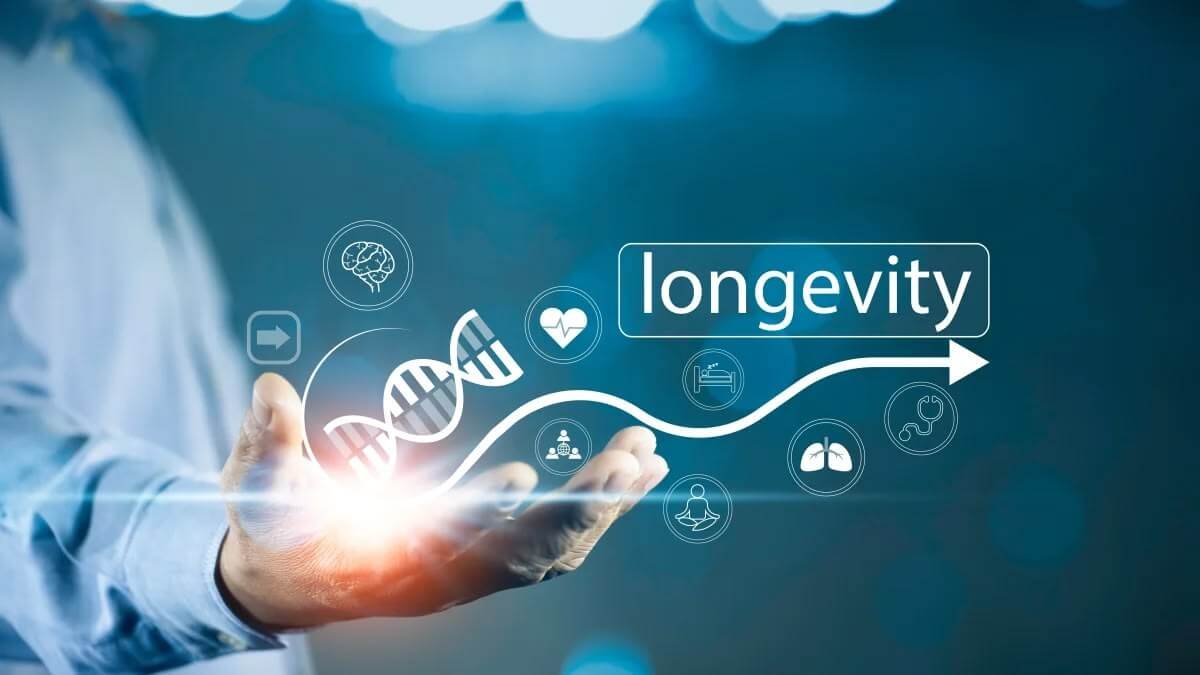
From Living Longer to Living Better
For decades, the conversation around ageing was dominated by one simple question: how can people live longer? In 2026, that question is being replaced by something considerably more ambitious: how can people remain healthy, independent and productive for as much of their lives as possible? That shift is helping transform longevity from a niche scientific concept into one of the most closely watched areas of modern healthcare. Researchers, technology companies, healthcare providers, nutrition businesses and investors are increasingly looking beyond lifespan and focusing on what is often described as health span the period of life spent in relatively good health and functional independence.
The distinction is important. A longer life does not automatically mean a healthier life. Modern medicine has already become remarkably successful at managing many diseases that once shortened lives dramatically. Yet longer survival can also mean more years living with chronic conditions, reduced mobility, metabolic disorders or age-related health challenges. The emerging longevity economy is therefore attempting to move healthcare further upstream. Instead of waiting until disease becomes severe enough to require intensive treatment, the emerging model focuses on identifying risks earlier, understanding individual biology more precisely and supporting healthier ageing throughout adulthood.
This change is already visible in the growing number of healthcare and wellness initiatives built around prevention, metabolic health, personalised nutrition and continuous monitoring. At the recent RISE for Healthy Ageing Conference hosted by the Longevity India Initiative at the Indian Institute of Science, healthy ageing was discussed through the intersection of science, nutrition, metabolic wellness and innovation. The significance of such events goes beyond the individual companies participating in them. They demonstrate how ageing is increasingly being treated as a multidisciplinary challenge rather than simply a problem for geriatric medicine.
The economic implications are potentially enormous. Population ageing is changing healthcare demand in almost every major economy. Older populations require more healthcare resources, but they also represent a growing consumer group interested in maintaining mobility, cognition, independence and quality of life. This creates opportunities across pharmaceuticals, diagnostics, medical devices, digital health, nutrition, fitness, senior living, insurance and preventive care. The most interesting development is that these sectors are beginning to converge.
A wearable device can continuously collect information about sleep, activity and physiological signals. A diagnostic platform can analyse biomarkers. Artificial intelligence can help organise complex health information and identify patterns. A clinician can combine those insights with medical history and lifestyle information. A nutrition platform can then recommend interventions designed around a person’s individual circumstances. The result is a healthcare model that is increasingly continuous rather than episodic.
Traditional healthcare often operates around appointments: a person becomes concerned about a symptom, visits a doctor, receives tests, gets a diagnosis and begins treatment. The longevity model attempts to create a much longer feedback loop. Health data can potentially be collected over months or years, allowing changes to be identified before they become obvious clinical problems.
That does not mean technology can predict the future perfectly. Nor does it mean every biomarker is clinically meaningful. One of the central challenges facing the longevity industry is separating genuinely useful medical information from an enormous volume of measurements that may be interesting but not yet sufficiently validated. That distinction will become increasingly important as commercial interest grows.
The market surrounding healthy ageing is expanding into areas ranging from personalised diagnostics and nutrition to specialist longevity clinics. One current market estimate places the global longevity-clinic market at approximately $6 billion in 2026, with continued growth expected through the end of the decade. Meanwhile, estimates for longevity and healthy-ageing technologies encompass a much wider ecosystem involving therapeutics, diagnostics, digital health, assistive technologies, robotics and preventive healthcare. This is why longevity should not be viewed simply as another wellness trend. It is becoming an economic framework for redesigning healthcare around prevention.
The implications extend beyond hospitals and pharmaceutical laboratories. A society that keeps people healthier for longer could potentially reduce pressure on healthcare systems, support longer workforce participation and create new categories of consumer spending. At the same time, companies are discovering that ageing consumers are not a single demographic with identical needs. The healthcare requirements of a healthy 60-year-old who wants to remain active can be completely different from those of an 80-year-old living with multiple chronic conditions.
That is pushing the industry toward greater personalisation. The next phase of longevity will therefore be less about selling a universal promise of “anti-ageing” and more about developing systems that understand individual health trajectories. And this is where the story becomes particularly interesting. Because the future of longevity may not be built around a single breakthrough drug or miracle therapy. It may be built around the convergence of metabolic health, diagnostics, artificial intelligence, nutrition, preventive medicine and continuous healthcare. The companies capable of connecting those pieces could become some of the most important healthcare businesses of the next decade.
When Healthcare Starts Before Disease
The biggest commercial opportunity in longevity may not be extending human life dramatically. It may be changing when healthcare begins.
For much of modern medicine, healthcare has been organised around disease. A patient develops a problem, seeks medical attention, receives a diagnosis and begins treatment. Preventive healthcare reverses that sequence. Instead of waiting for disease to become visible, the objective is to identify risk earlier and intervene before a condition becomes difficult or expensive to manage.
That philosophy is becoming increasingly important as metabolic disorders, cardiovascular disease and other chronic conditions place pressure on healthcare systems. Longevity companies are attempting to position prevention not as an occasional health check but as an ongoing process. One of the most significant developments is the integration of multiple forms of health information.
A person’s clinical record may contain diagnoses and medications. Laboratory testing provides biochemical information. Genomic analysis can offer information about genetic variation. Wearable devices can provide continuous measurements related to activity, sleep and other physiological signals. Nutrition and lifestyle data can add another layer of context. Individually, these data points may have limited value. Together, they can potentially create a much richer picture of a person’s health. That is the idea behind emerging precision-health platforms.
A recent example from India illustrates the direction of the industry. Project Serotonin introduced a preventive-health platform at the Longevity India Conference that is designed to combine diagnostics, genomics, biomarkers, wearable information and clinical records into a unified health profile. Its stated objective is to help healthcare organisations move toward continuous, personalised preventive care.
The underlying concept is straightforward: healthcare should know more about the patient before the patient becomes seriously ill. Artificial intelligence could accelerate this transformation.
Healthcare generates enormous quantities of information, but doctors cannot manually analyse every data point continuously. AI systems can potentially organise information, identify patterns and highlight changes that deserve professional attention. In the future, an intelligent healthcare system might notice that several apparently minor changes—such as altered sleep, declining activity, changing metabolic indicators and other measurements—are occurring simultaneously.
That does not mean AI should diagnose people independently. The more realistic near-term opportunity is clinical decisi on support: technology helping doctors understand complex information faster while keeping medical professionals responsible for interpretation and treatment decisions.
This distinction will matter enormously for the credibility of the longevity industry. The sector has attracted legitimate scientific interest, but it also operates in an environment filled with exaggerated claims. Products promising dramatically extended lifespans can attract enormous attention even when the supporting evidence remains limited. As commercial investment increases, regulators and consumers will increasingly demand evidence that separates medically meaningful interventions from expensive wellness products.
The industry therefore faces a credibility test. The strongest companies are likely to be those that can demonstrate measurable health outcomes rather than simply selling the idea of youth. Metabolic health provides a particularly important example. Metabolism influences energy regulation, blood sugar, body composition and numerous processes connected with chronic disease. As healthcare becomes more preventive, metabolic indicators are increasingly being treated as important signals of long-term health. Businesses are responding with services ranging from personalised nutrition to diagnostics and digital coaching.
This trend is also creating opportunities for startups. India, for example, is seeing new businesses build consumer platforms around gut health, personalised diagnostics and preventive wellness. Guttify recently announced plans to raise ₹20 crore as it expands its diagnosis-first gut-health model, reflecting growing consumer interest in digestion, metabolic health and preventive care.
Such developments illustrate a larger change in consumer behaviour. People are becoming more interested in understanding their health before something goes wrong. That creates a new category of healthcare consumer: the proactive health consumer. This consumer may track sleep, monitor activity, undergo periodic testing, consult specialists, use digital health applications and change nutrition or exercise habits based on measurable information. The objective is not necessarily to live forever. It is to maintain physical and cognitive capability for longer.
That distinction could reshape the wellness industry. Traditional wellness has often been dominated by products and experiences: supplements, fitness programmes, diets and spa treatments. The emerging longevity economy is more data-driven. Consumers increasingly want evidence, measurement and personalisation.
This does not mean traditional lifestyle interventions have become irrelevant. Exercise, sleep, nutrition and healthy habits remain fundamental components of healthy ageing. Harvard Health, for example, continues to emphasise healthy diet, physical activity, sleep and broader lifestyle choices as central to healthy longevity.
Technology is therefore not replacing basic health behaviours. It is attempting to make them more measurable and personalised. That could become one of the defining characteristics of healthcare in the coming decade. Instead of asking only, “What disease does this patient have?” the system increasingly asks, “What is changing in this person’s health, why might it be changing, and what can be done now?”
That is a profound change in philosophy. But it also raises difficult questions. Who owns the health data? How accurate are consumer devices? Which biomarkers actually predict disease? Who is responsible when an algorithm misses an important warning? How should insurers treat longevity-related information? And how can personalised healthcare remain affordable rather than becoming a luxury service for wealthy consumers?
These questions will determine whether longevity becomes a mainstream healthcare transformation or remains a premium niche. The technology is advancing. The science is expanding. The consumer demand is growing. But the real test will be whether the industry can turn those developments into healthcare outcomes that are clinically meaningful, affordable and accessible.
A New Industry Takes Shape
The longevity economy is becoming bigger than medicine. As healthcare providers, technology companies and investors begin to recognise the commercial potential of healthier ageing, an entire ecosystem is emerging around the idea of extending healthspan. Its boundaries stretch from biotechnology and pharmaceuticals to nutrition, diagnostics, artificial intelligence, senior living, fitness, insurance and real estate.
That makes longevity one of the rare healthcare themes capable of creating entirely new industries while transforming existing ones. Consider senior living. For years, retirement communities were largely associated with assisted care. The emerging model is different. New developments increasingly attempt to create environments where older adults can remain active, independent and socially connected while having healthcare and wellness services available when required.
India provides an emerging example. At the 2026 Longevity Summit India, Shremoha launched a senior independent-living platform designed around hospitality, preventive wellness, personalised care and community living. Its development model reflects a broader shift from conventional eldercare toward integrated longevity ecosystems.
This represents a fundamental change in how ageing can be viewed by the real-estate sector. A senior-living development is no longer necessarily just a place to live after retirement. It can become part of a broader health ecosystem involving nutrition, fitness, preventive medicine, social activity, healthcare access and technology. The same transformation is happening in biotechnology.
Pharmaceutical companies and biotech investors are increasingly investigating biological mechanisms associated with ageing and age-related diseases. The objective is not necessarily to create a single “anti-ageing drug.” Instead, researchers are exploring interventions that could delay or reduce the impact of diseases associated with ageing. The growing interest from pharmaceutical companies and venture capital illustrates how ageing biology is becoming a serious investment category.
This could fundamentally change the economics of healthcare. Today, much of the pharmaceutical business is structured around treating specific diseases. Longevity research introduces a different possibility: interventions that influence multiple dimensions of age-related decline. But that possibility remains scientifically challenging.
Human ageing is not a single disease with a single cause. It involves interacting biological processes, genetics, environment, behaviour and accumulated damage. Consequently, any company claiming to dramatically alter ageing will face an unusually high scientific and regulatory burden.
That may ultimately benefit the industry. As evidence requirements increase, companies with strong clinical research and transparent claims could separate themselves from businesses built primarily around marketing. The same principle applies to longevity supplements and consumer wellness products.
The market is crowded with products promising improved energy, cellular health, metabolic benefits or slower ageing. Some may eventually prove useful; others may fail to demonstrate meaningful benefits. Consumers will increasingly need to distinguish between scientifically supported interventions and attractive but weakly supported claims.
That creates an opportunity for trusted healthcare brands. The future longevity company may look less like a traditional supplement company and more like a technology-enabled healthcare organisation. It could combine diagnostics, professional consultation, personalised recommendations, digital monitoring and clinical follow-up.
In this model, the business relationship with the customer also changes. Instead of selling a product once, companies can provide an ongoing health service. That creates recurring revenue but also creates greater responsibility. If a company is monitoring a person’s health continuously, consumers will expect meaningful guidance, privacy and professional oversight. Healthcare businesses will have to build trust alongside technology. Artificial intelligence will be central to this model.
AI can potentially become the connective layer between enormous amounts of health information and the professionals responsible for interpreting it. Over time, AI systems could help identify risk patterns, personalise interventions, support clinicians and automate administrative tasks. But the greatest opportunity may be less glamorous.
It may be helping healthcare systems coordinate information that is currently fragmented. A patient can interact with hospitals, laboratories, pharmacies, fitness platforms and wearable-device ecosystems, each generating information in separate systems. A unified health platform could potentially bring those signals together.
This is why the longevity economy is increasingly becoming a technology story as well as a healthcare story. It is also becoming an investment story. Market research published in 2026 points toward rapid expansion in longevity and healthy-ageing technologies, covering diagnostics, digital health, therapeutics, assistive technologies and preventive healthcare. The growth of specialist longevity clinics provides another indication of how healthcare entrepreneurs are attempting to commercialise personalised preventive medicine.
Yet the industry’s biggest opportunity may also be its biggest challenge. Longevity healthcare must avoid becoming healthcare only for wealthy consumers. If advanced diagnostics, personalised treatment and continuous monitoring remain extremely expensive, the benefits of longer healthspan could become concentrated among people who can already afford premium healthcare.
The most transformative companies will therefore need to solve not only the scientific problem but also the accessibility problem.
Can personalised prevention become affordable?
Can AI reduce healthcare costs rather than simply add another expensive layer?
Can diagnostics identify genuine risks without creating unnecessary anxiety and testing?
Can longevity medicine prove that interventions improve quality of life rather than simply produce impressive-looking health data?
These questions will shape the next stage of the industry.
The future of ageing will ultimately not be decided by marketing slogans about eternal youth. It will be decided by measurable outcomes: fewer years spent with preventable disease, greater independence, better mobility, stronger cognitive health and improved quality of life. That is what makes the longevity economy so significant. It is not really about defeating ageing.
It is about changing the relationship between ageing and disease. Healthcare is moving toward a model in which prevention begins earlier, data becomes continuous, medicine becomes more personalised and technology helps connect information that was previously fragmented. At the same time, businesses are creating new services around nutrition, diagnostics, senior living, biotechnology and digital health.
The result could be one of the most consequential transformations in healthcare this century. The world’s population is ageing. The healthcare system cannot simply treat that demographic shift as a growing burden. It must also recognise it as an opportunity to redesign how people remain healthy throughout longer lives. The longevity economy is still young, scientifically uncertain and commercially evolving. But its central idea is already becoming difficult to ignore:
The future of healthcare may not be measured only by how successfully medicine treats disease. It may increasingly be measured by how successfully society prevents disease from taking away the healthiest years of people’s lives.
Related Economic News : https://ciovisionaries.com/category/economic-news/
Related Business News : https://ciovisionaries.com/category/business/
Related Blogs: https://ciovisionaries.com/category/blog/